
Battery Battle: Comparing NMC, LFP, and Sodium-Ion Batteries
By Greg Weber, BSEE, Vice President OEM Sales
As our world moves away from fossil fuels, we need lots of powerful batteries to store clean energy from the sun and wind, to power electric cars and other home electronic devices. This blog looks at three major types of batteries: NMC (the standard electric car battery), LFP (the long-lasting safety battery), and Sodium-Ion (the cheap, salt-powered newcomer). We will look at how they work, what they are good at, and where they are currently used.
Today’s Battery
Batteries are no longer just for your TV remote or smartphone. Today, massive batteries are powering entire cities and electric cars and even buses. For a long time, one type of battery called NMC has ruled the world because it can hold a massive amount of energy in a small, lightweight package.
However, NMC batteries have a few issues: they can have a thermal event if they get damaged, they are expensive to make, and the metals inside them (like cobalt and nickel) are hard to get. Because of this, scientists and engineers have developed two alternatives: LFP batteries, which are super safe and last longer, and Sodium-Ion batteries, which use cheap, ordinary sodium (like the stuff in table salt) instead of expensive lithium.
How They Work Inside
All three of these batteries are called “rocking-chair” batteries. Inside the battery, tiny particles called ions bounce back and forth between two sides (the anode and the cathode) like a rocking chair.
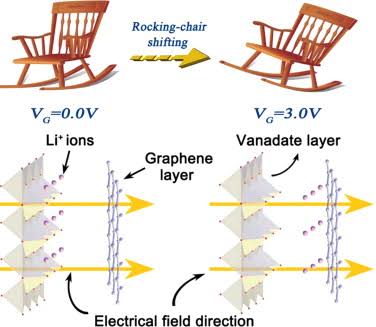
[Picture from Science Direct]
NMC (Nickel Manganese Cobalt): The energy powerhouse. It uses a mix of nickel, manganese, and cobalt. It uses lithium ions, which are tiny and light, allowing them to pack densely together for maximum power.
- LFP (Lithium Iron Phosphate): The rugged defender. It uses iron and phosphate. The atoms inside are locked into a strong, cage-like structure. This means the battery won’t easily break down or release dangerous oxygen, even if it gets overheated.
- Sodium-Ion: The up-and-coming new comer. Instead of lithium, it uses sodium. Because sodium ions are much larger and heavier than lithium ions, they can’t pack together as tightly, which means the battery holds less energy. Instead of expensive copper parts inside, it uses cheap aluminum foil.
Battery Stats at a Glance
Here is how the three battery types stack up against each other in real-world tests:
| Feature | NMC Battery | LFP Battery | Sodium-Ion Battery |
| Energy Storage (Size/Weight) | Highest (Holds the most juice) | Medium (Good, but heavier) | Lowest (Bulky for the energy it holds) |
| Lifespan (How many recharges) | 1,000 to 2,000 times | 3,000 to 6,000+ times | 2,000 to 5,000+ times |
| Safety (Risk of fire) | Lower safety (catches fire at ~210°C) | Highest safety (very stable up to ~270°C) | High safety (stable up to ~250°C) |
| Freezing Weather Performance | Poor (loses half its power at -20°C) | Medium (loses about 40% of its power) | Excellent (keeps 90% of its power) |
| Price to Build | Most Expensive | Medium | Cheapest |
The Big Tradeoffs
No battery is perfect. Choosing the right battery is all about deciding what matters most for the application.
Power vs. Lifespan
If you want an electric sports car to go 400 miles on a single charge, you need NMC. It packs the most punch into the smallest space. But if you want a battery for a school bus or a house that needs to stay plugged in for 10 years, LFP is much better. An LFP battery can be charged and emptied thousands of times more than an NMC battery before it wears out.
Weather and Safety
NMC batteries can experience “thermal runaway” a fancy term for catching fire when they get too hot or crushed in an accident. LFP and Sodium-Ion batteries are much safer because their chemistry keeps them cooler.
Sodium-ion has a secret superpower: it loves the cold. While lithium batteries freeze up and stop working well in the winter, Sodium-Ion batteries can keep almost all of their power even at 20 degrees below zero. You can also completely drain a sodium-ion battery to 0% power to ship it safely on airplanes without any risk of fire.
Money and Minerals
Lithium, cobalt, and nickel are rare, hard to mine, and cause political arguments between countries. Sodium comes from soda ash, which is practically unlimited and found all over the Earth. Because sodium is everywhere and uses cheap aluminum instead of expensive copper parts, Sodium-ion batteries are expected to be 10% to 20% cheaper than LFP batteries once factories start making them in large scales.
Where Each Battery Wins
Because of these differences, we use different batteries for different jobs:
- NMC is best for: High-end electric cars, smartphones, laptops, and drones—places where you need a lot of power but don’t want a heavy, bulky battery.
- LFP is best for: Standard electric cars, electric city buses, UAVs and home solar panels—places where safety and a long lifespan are the most important things.
- Sodium-Ion is best for: Giant battery banks that store wind and solar energy for cities, backup power for cell phone towers, starter batteries, and machines working in freezing climates.
Conclusion
There is no “one battery to rule them all.” NMC is the speed and power king. LFP is the long-lasting safety champ. And Sodium-Ion is the affordable, cold-weather hero that will help make clean energy cheap enough for everyone around the world.
If you are looking to power your next application, Contact us to speak with our team, or request a quote to get started.